
Fix Backflow Device Problems in Jersey Village
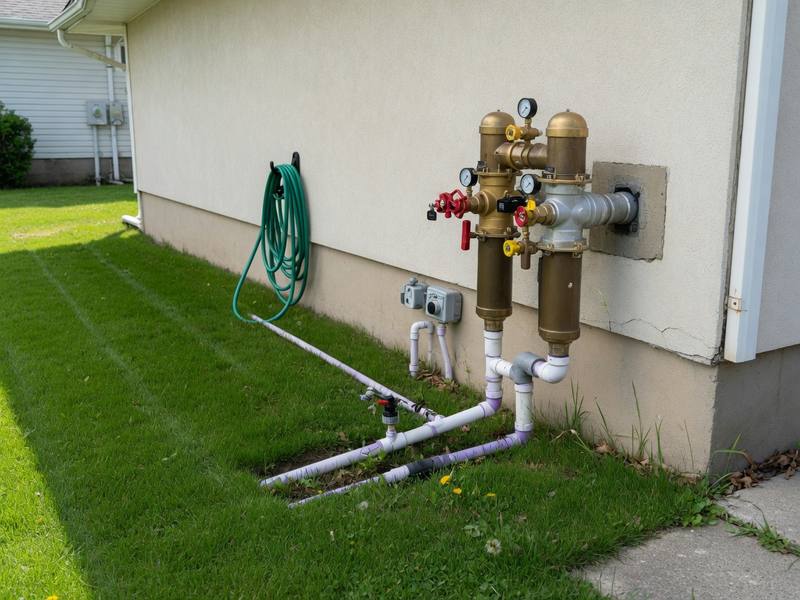
Your sprinkler system keeps your lawn green through long Texas summers. It also has a direct link to the water your family drinks. A small part called a backflow prevention device sits between the two and keeps them apart. When it fails, dirty irrigation water can flow back into your home’s clean water supply.
At Jersey Village Sprinkler Repair, we help local homeowners spot backflow problems early and fix them before they turn into health risks. Here’s what you need to know about how these devices work, why they fail, and when to call a professional.
What Is a Backflow Prevention Device?
A backflow prevention device, also called a backflow preventer, is a valve assembly that lets water flow in only one direction. Water moves from the public supply into your sprinkler system, and the device stops it from flowing back.
Without it, water that has sat in your irrigation lines could reverse course. That water may carry fertilizer, pesticides, lawn chemicals, animal waste, bacteria, and soil.
You’ll usually find the device near the point where your sprinkler system connects to your main water line. It’s often above ground, close to your house or in a green box near the meter.
Common Types of Backflow Preventers
Not every home uses the same device. The most common types include:
- Pressure Vacuum Breaker (PVB): A popular choice for home irrigation. It must sit above the highest sprinkler head to work properly.
- Reduced Pressure Zone (RPZ) Assembly: Offers a high level of protection. It uses two check valves and a relief valve that releases water if pressure shifts.
- Double Check Valve Assembly (DCVA): Uses two check valves for backup protection. It can be installed below ground in some cases.
- Atmospheric Vacuum Breaker (AVB): A simpler, lower-cost device found on some older or smaller systems.
The right type depends on your system’s layout, your water provider’s rules, and your property’s needs.
Why Backflow Prevention Is So Important
Backflow happens when water pressure drops or shifts. When that happens, water can be pulled or pushed backward through your pipes. There are two main causes:
- Back-siphonage: A sudden drop in supply pressure, such as a water main break or firefighters drawing heavy water from a hydrant, can create suction that pulls water backward.
- Back-pressure: Pressure in your irrigation system becomes higher than the pressure in the supply line, which forces water the wrong way.
In both cases, a working backflow preventer stops the reverse flow. A failed one doesn’t. Contaminated water can then reach your kitchen faucet, your shower, and even your neighbors’ homes, because your water line connects to the shared public system.
That’s why many water providers in Texas require backflow devices on irrigation systems and expect them to be tested by a licensed tester. A healthy device protects your family and your whole community.
Why Backflow Devices Fail in Jersey Village
Backflow preventers are built to last, but they work hard every day. Local conditions in Jersey Village and the greater Houston area can speed up wear and tear.
Freezing temperatures. Hard freezes don’t happen often here, but when they do, they can be severe. Above-ground devices are exposed, and water left inside can freeze, expand, and crack the brass body or internal parts.
Heat and sun exposure. Long, hot summers can break down rubber seals, springs, and plastic components over time.
Debris and sediment. Dirt, sand, and mineral buildup can keep check valves from sealing tightly.
Heavy rain and flooding. Storms can push mud and debris into below-ground assemblies and damage parts.
Age. Like any mechanical part, internal seals and springs wear out with years of use.
Physical damage. Lawn mowers, string trimmers, and even curious kids can bump or knock devices loose.
Common Signs of Backflow Device Failure
Some backflow problems are easy to spot. Others stay hidden until a test reveals them. Watch for these warning signs:
1. Discolored Water
Brown, yellow, or cloudy water from your taps can point to contamination from your irrigation lines. Stop drinking the water and call for help right away.
2. Strange Smell or Taste
Water that smells like sulfur, chemicals, or rotten eggs, or that tastes metallic or bitter, may be a sign that backflow has occurred.
3. Water Leaking From the Device
A steady drip or spray from the backflow preventer often means a worn seal, a faulty valve, or a crack in the body. RPZ assemblies may also discharge water from the relief valve when something inside isn’t working right.
4. Puddles or Soggy Ground Nearby
Pooling water or unusually wet soil around the device can signal a slow, hidden leak.
5. Low Water Pressure
A blocked or failing device can restrict flow. You may notice weak spray from your sprinkler heads or lower pressure throughout your system.
6. Visible Damage or Corrosion
Cracks, rust, green buildup on brass parts, or loose fittings all point to a device that needs attention.
7. A Higher Water Bill
A sudden jump in your bill without a change in your habits could mean water is escaping somewhere, including through a leaking backflow preventer.
8. A Failed Backflow Test
Many problems can’t be seen at all. A device can look fine on the outside but still fail to stop reverse flow. That’s why regular testing matters so much.
The Importance of Professional Backflow Testing
You can’t tell if a backflow preventer works just by looking at it. A proper test uses specialized gauges to measure pressure across each valve and confirm the device seals and releases as it should.
Our Backflow Testing service is part of our full range of irrigation diagnostics. During a test, we check that your device:
- Holds pressure correctly at each check valve
- Opens and closes when it should
- Releases water properly (for RPZ assemblies)
- Has no leaks, cracks, or worn parts
Regular testing helps you meet local water provider requirements, catch small issues before they become big repairs, and keep your drinking water safe. Many providers require annual testing, so it’s smart to put it on your yearly maintenance calendar.
Testing Works Best as Part of a Full System Check
Backflow problems often show up alongside other irrigation issues. Our diagnostic services can also include:
- Leak Detection to find hidden leaks in your lines
- Pressure Testing to make sure your system runs at the right pressure
- Flow Rate Testing to measure water efficiency
- Controller Functionality Testing to confirm your timer works as intended
- Coverage Analysis to make sure your lawn gets even watering
A full checkup gives you a clear picture of your system’s health and helps you avoid surprise breakdowns.
Professional Backflow Repair and Installation
If your device fails a test or shows signs of damage, the next step is repair or replacement. Some issues, like a worn seal or a dirty check valve, can be fixed with new parts and a careful cleaning. Others, like a cracked body from a freeze, usually call for a new device.
Our Backflow Preventer Installation service ensures your drinking water supply stays protected. We help you choose the right type of device for your system, install it at the correct height and location, and test it to confirm it works before we leave.
DIY backflow repair isn’t a good idea. These devices protect public health, and many water providers require licensed professionals to test and certify them. A mistake can leave your water unprotected and put you out of compliance.
Simple Tips to Protect Your Backflow Device
Between professional visits, a few easy habits can extend the life of your backflow preventer:
- Insulate it before a freeze. Use an insulated cover or wrap to protect above-ground devices when cold weather is on the way.
- Drain it if a hard freeze is coming. Shut off water to the irrigation system and drain the device to prevent cracking.
- Keep the area clear. Trim grass and plants around the device so you can see it and avoid hitting it with lawn equipment.
- Check it during regular yard work. Look for drips, puddles, or damage whenever you’re outside.
- Schedule yearly testing. Make it part of your routine sprinkler maintenance.
Protect Your Water With Jersey Village Sprinkler Repair
Your backflow prevention device is small, but its job is huge. It stands between your sprinkler system and the water your family drinks every day. When it fails, the risk goes well beyond a brown lawn.
Whether you’ve noticed a leak, have a test due, or need a new device installed, our team is here to help Jersey Village homeowners keep their water clean and their irrigation systems running right.
Call us today at (555) 010-2404 to schedule backflow testing, repair, or installation. We take service requests by phone only, with no online forms, so you’ll speak directly with someone who can help. Want to learn more first? Read more about our full list of services, the service areas we cover, and answers to common questions in our FAQ.
Call 832-906-3900 Services FAQ