
Fix Sprinkler Electrical Issues in Jersey Village
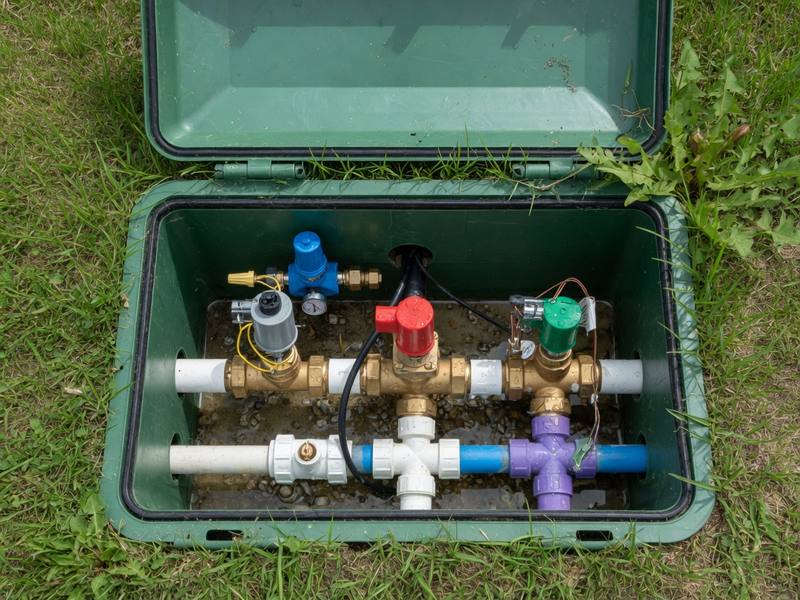
A healthy lawn in Jersey Village depends on a sprinkler system that runs when it should and stops when it should. When something goes wrong with the electrical side of your system, that balance falls apart fast. One damaged wire can keep your whole system from turning on. Another fault can leave a zone running for hours, flooding your yard and driving up your water bill.
Wiring issues are some of the hardest sprinkler problems to spot because most of the wiring sits underground. This guide explains how the electrical parts of your irrigation system work, the most common problems homeowners face, and when to call a professional for Jersey Village sprinkler repair.
How Your Sprinkler System Uses Electricity
Your sprinkler system is part plumbing and part electrical network. Here’s how the pieces connect:
- The controller (timer): This is the brain of your system. It tells each zone when to start and how long to run.
- The transformer: It converts household power into low-voltage current, usually around 24 volts, which safely powers the valves.
- Field wiring: Buried wires run from the controller to each valve in your yard. Each zone has its own wire, and a shared “common” wire completes the circuit for every valve.
- Solenoids: Each valve has a small electric solenoid. When it gets power, it opens the valve and lets water flow. When power stops, the valve closes.
Every part depends on the others. If the signal from the controller can’t reach the solenoid, water won’t flow. If the solenoid gets stuck or the circuit acts up, water may not stop.
How Wiring Issues Disrupt the Entire System
Electrical problems rarely stay small. Because your zones share a controller, a transformer, and a common wire, one fault can affect the whole yard.
When Your Sprinklers Won’t Turn On
A broken common wire can shut down every zone at once. A cut zone wire can leave one section of your lawn dry while the rest looks fine. A failed transformer or a dead controller can stop the system completely, even though the pipes and heads are in perfect shape.
When Your Sprinklers Won’t Turn Off
This problem is often more costly. A short circuit, a faulty solenoid, or a controller glitch can keep a valve open long after its cycle should end. Left alone, a running zone can:
- Waste hundreds of gallons of water
- Flood flower beds and saturate your lawn
- Wash away soil and mulch
- Push water toward your home’s foundation
- Spike your monthly water bill
That’s why electrical issues should never wait for a convenient day. Quick action protects your yard, your home, and your wallet.
Common Electrical Problems in Sprinkler Systems
Knowing the usual causes helps you understand what’s happening in your yard. These are the issues we see most often.
1. Damaged or Cut Wires
Digging is the top cause of wiring damage. Planting a tree, installing a fence, edging a bed, or aerating the lawn can slice through a buried wire. Even a nick in the insulation can let moisture in and cause problems later.
2. Corroded Wire Splices
Wire connections underground must be fully sealed with waterproof connectors. Over time, poor splices let water seep in. Corrosion builds up, the connection weakens, and the signal stops reaching the valve.
3. Faulty Solenoids
Solenoids wear out with age and heavy use. A bad solenoid may fail to open a valve, or it may stick and keep the valve from closing. A solenoid can also short out and affect how the controller works.
4. Controller Malfunctions
Power surges, storms, heat, and age can damage controller circuit boards. Signs include a blank display, erratic schedules, zones that skip, or a system that ignores your settings.
5. Transformer Failure
If the transformer stops delivering low-voltage power, the controller may still light up but can’t operate any valves. Everything looks normal on the panel, yet nothing happens in the yard.
6. Short Circuits
When bare wires touch each other or the wet ground, the circuit shorts. Many controllers will show an error, blow a fuse, or shut down a zone to protect themselves.
7. Rodents and Wildlife
Gophers, rats, and other critters sometimes chew through wire insulation. The damage is often hidden until a zone stops working.
8. Storm and Lightning Damage
Texas weather can be tough on outdoor electronics. Lightning strikes nearby and sudden power surges can fry controllers, transformers, and solenoids in seconds.
Warning Signs You Have an Electrical Problem
Watch for these red flags:
- One or more zones won’t turn on
- A zone keeps running after its cycle ends
- The controller screen is blank or shows error codes
- Zones run out of order or at the wrong times
- Valves hum or click but don’t open
- The system works sometimes and fails at other times
- A fuse or breaker keeps tripping
If you notice any of these signs, your system likely needs a closer look.
Simple Checks You Can Do First
Before you call, a few quick checks can rule out simple issues:
- Check the power. Make sure the controller is plugged in and the outlet works. Look for a tripped GFCI outlet or breaker.
- Look at the display. Note any error codes or warning messages.
- Review your settings. Confirm the date, time, and schedule are correct, and that the system isn’t set to “off” or “rain delay.”
- Inspect the rain sensor. A faulty or wet rain sensor can stop the system from running.
If these checks don’t solve the problem, it’s time for professional help. Please avoid digging up wires or opening electrical components yourself. You could damage the system further or create a safety risk.
Why Professional Wiring Repair Matters
Tracking down a wiring fault isn’t a guessing game for a trained technician. It’s a process. Here’s why professional repair makes a difference:
- Accurate diagnosis: Technicians use specialized testing tools to measure voltage and resistance and to trace buried wires. That means finding the exact break without tearing up your whole lawn.
- Less damage to your yard: Pinpointing the problem lets us dig only where needed.
- Lasting repairs: Professionals use proper waterproof connectors and quality wire, so the fix holds up through wet seasons and hot summers.
- Safety: Controllers connect to household power. A pro handles every connection safely and correctly.
- Time and money saved: Swapping parts at random gets expensive. A clear diagnosis means you pay to fix the real problem the first time.
Our Sprinkler Electrical Services in Jersey Village
We offer a full range of services to keep your system’s electrical side running smoothly.
Wiring Repair
We locate and repair damaged, cut, or malfunctioning wires. Whether the problem is one zone wire or the common wire that feeds the entire system, we restore a reliable connection with sealed, weather-resistant splices.
Electrical Diagnostics
Hidden electrical issues need careful testing. Our electrical diagnostics identify faults in wiring, solenoids, transformers, and controllers so we can explain exactly what’s wrong and how to fix it.
Emergency Electrical Repair
A zone that won’t shut off can’t wait until next week. Our emergency electrical repair service handles urgent problems quickly. We also offer emergency system shutoff to stop water flow and prevent flooding, with service calls available 24/7.
Controller Repair
If your controller is acting up, we’ll test its functions and repair or replace it as needed. We can also help you set a watering schedule that fits your lawn and the season.
Solenoid Repair
Faulty solenoids are a common cause of valves that won’t open or won’t close. We test, repair, and replace solenoids so every zone responds the right way.
Why Jersey Village Homeowners Should Call a Professional
Jersey Village lawns face long, hot summers, heavy rain, and sudden storms. Those conditions put steady stress on outdoor wiring and electronics. Wet soil can speed up corrosion at weak splices, and storms can bring surges that damage controllers.
A local sprinkler repair team understands these challenges. We know how weather affects irrigation systems in this area, and we focus on repairs that hold up year after year. When you call a professional, you get:
- Fast, focused help from people who work on sprinkler systems every day
- Clear explanations, with no confusing jargon
- Repairs designed to last in local conditions
- Peace of mind that your lawn is getting the right amount of water
Frequently Asked Questions
Can one broken wire shut down my whole sprinkler system?
Yes. If the common wire is damaged, every zone that shares it can stop working. A failed transformer or controller can also shut down the full system.
Why does one zone keep running after the timer ends?
This usually points to a stuck or faulty solenoid, debris in the valve, or a controller problem. Turn off the water supply to your system and call for repair right away.
Is it safe to fix sprinkler wiring myself?
Basic checks like confirming power and settings are fine. Digging up wires or opening the controller’s electrical parts is best left to a professional.
Do you handle sprinkler emergencies?
Yes. We offer emergency electrical repair, emergency system shutoff, and 24/7 service calls.
Get Your Sprinklers Working Again: Call (555) 010-2404
Don’t let a wiring problem leave your lawn dry or your yard flooded. Our team is ready to find the fault, fix it right, and get your system back on schedule.
Call (555) 010-2404 today. We take requests by phone only, with no online forms, so you’ll speak directly with someone who can help. Want to know more first? Read more about our services, the service areas we cover, and our FAQ to learn how we keep Jersey Village sprinkler systems running strong.
Call 832-906-3900 Services FAQ