
Why Sprinkler Flushing Matters in Jersey Village
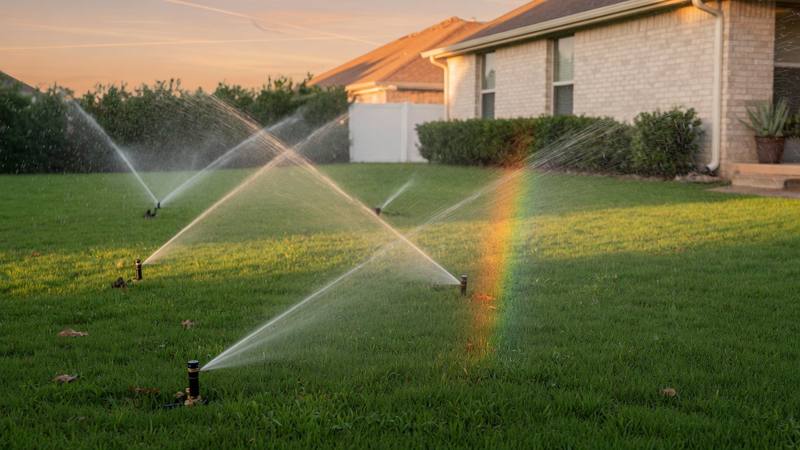
Your sprinkler system may run on schedule, but that doesn’t mean it’s working well. Over time, sand, silt, mineral deposits, and small debris settle inside pipes, valves, and heads. They build up slowly, so most homeowners don’t notice until dry patches appear or a sprinkler head sputters instead of spraying.
That’s where sprinkler system flushing comes in. At Jersey Village Sprinkler Repair, we offer regular system flushing to clear out build-up and restore the performance your lawn depends on. It’s a simple service, and it can prevent a long list of bigger, costlier problems.
In this guide, you’ll learn what system flushing is, why it matters for your irrigation system, the warning signs that your system needs it, and practical steps you can take to keep water flowing freely between service visits.
Quick takeaways:
- Flushing clears out debris that causes clogs, weak spray, and uneven coverage.
- Regular flushing protects valves, heads, and filters from early wear.
- Pairing flushing with pressure checks and filter cleaning gives you the best results.
What Is Sprinkler System Flushing?
System flushing is the process of pushing water through your irrigation lines to remove sediment and debris that have collected inside. Think of it as a deep clean for the parts of your system you can’t see.
During a flush, a technician opens the system at strategic points, usually by removing sprinkler heads or nozzles at the end of each zone. Water then runs through the lines at full force, carrying out dirt, sand, grit, and mineral particles. Once the water runs clear, the heads go back on and the system is tested.
Where Does the Build-Up Come From?
Debris can enter your system in several ways:
- Pipe repairs or breaks. Any time a line is opened or cracked, soil can get inside.
- Mineral deposits. Minerals in water can leave scale behind, especially in nozzles and small openings.
- Back-siphoning of soil. When a system shuts off, dirt and grass clippings can get pulled into heads as they retract.
- Aging components. Older pipes and fittings can shed small particles over time.
- Well or pond water. Systems drawing from non-municipal sources often carry more sediment.
The takeaway is simple: every irrigation system collects debris eventually. The question is whether you clear it out on your schedule or wait until it causes a breakdown.
Why Regular System Flushing Is So Important
Flushing does more than clean pipes. It keeps your entire system running the way it was designed to, which protects your lawn, your water bill, and your equipment.
It Prevents Clogged Heads and Nozzles
Sprinkler nozzles have tiny openings. Even a few grains of sand can block part of the spray pattern. A clogged head might spray in one direction only, mist weakly, or stop working entirely. Flushing removes the debris before it reaches those small openings.
It Restores Even Water Coverage
When some heads are partially blocked, certain areas of your yard get too little water while others get too much. You might see brown patches beside green, healthy grass. Clearing the lines helps every head deliver the right amount of water to the right place.
It Helps Maintain Proper Water Pressure
Build-up narrows the inside of pipes and restricts flow. That can lead to low pressure at the end of a zone, where the farthest heads barely pop up. Flushing opens up the flow path so pressure stays consistent across the system.
It Protects Valves and Other Components
Debris doesn’t just stay in the pipes. It can lodge in valve diaphragms and solenoids, causing valves to stick open or fail to close. That often leads to zones that won’t shut off, or zones that won’t turn on at all. Regular flushing reduces the risk of these headaches and extends the life of your valves.
It Saves Water and Money
A clogged system works harder and wastes more. Weak coverage often tempts homeowners to run zones longer to make up for dry spots. Flushing restores efficiency, so you can water less while getting better results.
Signs Your Sprinkler System Needs Flushing
You don’t have to wait for a scheduled visit to know something’s off. Watch for these common warning signs:
- Sputtering or uneven spray. Heads that spit, spray at odd angles, or produce broken streams often have debris inside.
- Heads that don’t pop up fully. This can point to low pressure caused by restricted flow.
- Dry or brown patches. Uneven coverage is a classic sign of partially blocked nozzles.
- Weak pressure at the end of a zone. If the last few heads on a line underperform, sediment may be collecting there.
- Zones that won’t shut off. Debris stuck in a valve can keep it from sealing.
- Visible grit or dirty water. If you see sand or discoloration when a head runs, it’s time for a flush.
- Recent repairs. After a pipe leak repair or head replacement, flushing clears out soil that may have entered the lines.
Here’s a common scenario: a Jersey Village homeowner notices a stubborn brown strip along the back fence. They increase run times, but the patch stays dry and the water bill climbs. A technician finds that the last three heads in the zone are packed with fine sand. After flushing the line and cleaning the nozzles, coverage returns to normal, and the homeowner can cut run times back down.
If any of these signs sound familiar, a professional flush is a smart next step.
How Flushing Works With Our Related Services
Flushing works best as part of a complete maintenance approach. At Jersey Village Sprinkler Repair, we often pair it with other services to address the root cause of build-up and keep your system in top shape.
Backwash Services
Backwashing reverses the flow of water through certain components to clean out systems and prevent buildup. It’s especially helpful for systems with filters or those that pull from sediment-heavy water sources. Combined with flushing, it gives your system a thorough cleaning from end to end.
Filter Cleaning and Replacement
Filters are your system’s first line of defense against debris. When they clog, pressure drops and dirt can slip past into the lines. We clean filters during maintenance visits and replace them when they’re worn out, which helps your system stay cleaner between flushes.
Pressure Checks and Pressure Testing
After a flush, we check water pressure across the system to make sure every zone operates within a healthy range. Too little pressure means poor coverage. Too much can cause misting, waste, and stress on pipes and fittings. Pressure checks confirm that the flush did its job and reveal any other issues worth addressing.
Valve Maintenance and Repair
Valves control the flow to each zone, so they need to open and close reliably. We inspect valves for debris, wear, and leaks. If a valve or solenoid isn’t working properly, our team can repair it. We also clean valve boxes to remove dirt and debris that can interfere with access and performance.
Head Adjustment and Zone Inspection
Once the lines are clear, we check each zone and adjust sprinkler heads for proper alignment and coverage. This ensures water lands on your lawn and plant beds, not your driveway or sidewalk.
Together, these services turn a simple flush into a full performance reset for your irrigation system.
Actionable Tips to Reduce Build-Up Between Flushes
Professional flushing is the most thorough option, but a few habits can help keep your system cleaner in between visits:
- Walk your zones once a month. Run each zone manually and watch the heads. Catching a sputtering nozzle early makes it easier to fix.
- Keep heads clear of grass and soil. Trim grass around sprinkler heads so they can pop up and retract without pulling in debris.
- Check your filter regularly. If your system has an accessible filter, inspect it every few months for buildup.
- Watch your water bill. A sudden jump can signal a leak, a stuck valve, or a clog causing longer run times.
- Schedule a flush after any repair. Soil often enters the lines during repair work, so flushing afterward keeps it from settling in.
- Pair flushing with seasonal service. Fall and spring are great times to flush the system, check pressure, and fine-tune your controller programming.
- Don’t ignore small changes. A weak head or a slow-closing valve rarely fixes itself. Early attention usually means a simpler, less expensive repair.
These steps won’t replace a professional flush, but they’ll help you spot problems sooner and get more out of every service visit.
How Often Should You Flush Your Sprinkler System?
Most residential systems benefit from flushing at least once a year. Some homes may need it more often, including those with:
- Older irrigation systems
- Well or pond water sources
- Frequent repairs or line breaks
- A history of clogged heads or valve issues
A good rule of thumb is to flush during seasonal maintenance, such as a spring startup or fall tune-up, and again after any major repair. Our technicians can recommend a schedule based on your system’s age, water source, and condition.
Keep Your Jersey Village Lawn Healthy With Regular Flushing
Regular system flushing is one of the simplest ways to protect your sprinkler system. It clears out build-up, restores even coverage, keeps pressure steady, and helps your valves and heads last longer. When you pair it with filter cleaning, backwash services, pressure checks, and valve maintenance, your system runs more efficiently and your lawn gets the water it needs.
Here’s what to do next:
- Today: Run each zone and look for sputtering heads, weak spray, or dry patches.
- This week: Note any warning signs and check your recent water bills for unusual spikes.
- Next step: Schedule a professional flush and system check with our team.
Call Jersey Village Sprinkler Repair at (555) 010-2404 to book your system flushing service. We schedule by phone only, with no online forms, so you can talk directly with someone who understands your system. Want to learn more first? Read more about our full range of services, check our service areas to confirm we cover your neighborhood, and visit our FAQ for answers to common sprinkler questions.
Call 832-906-3900 Services FAQ